

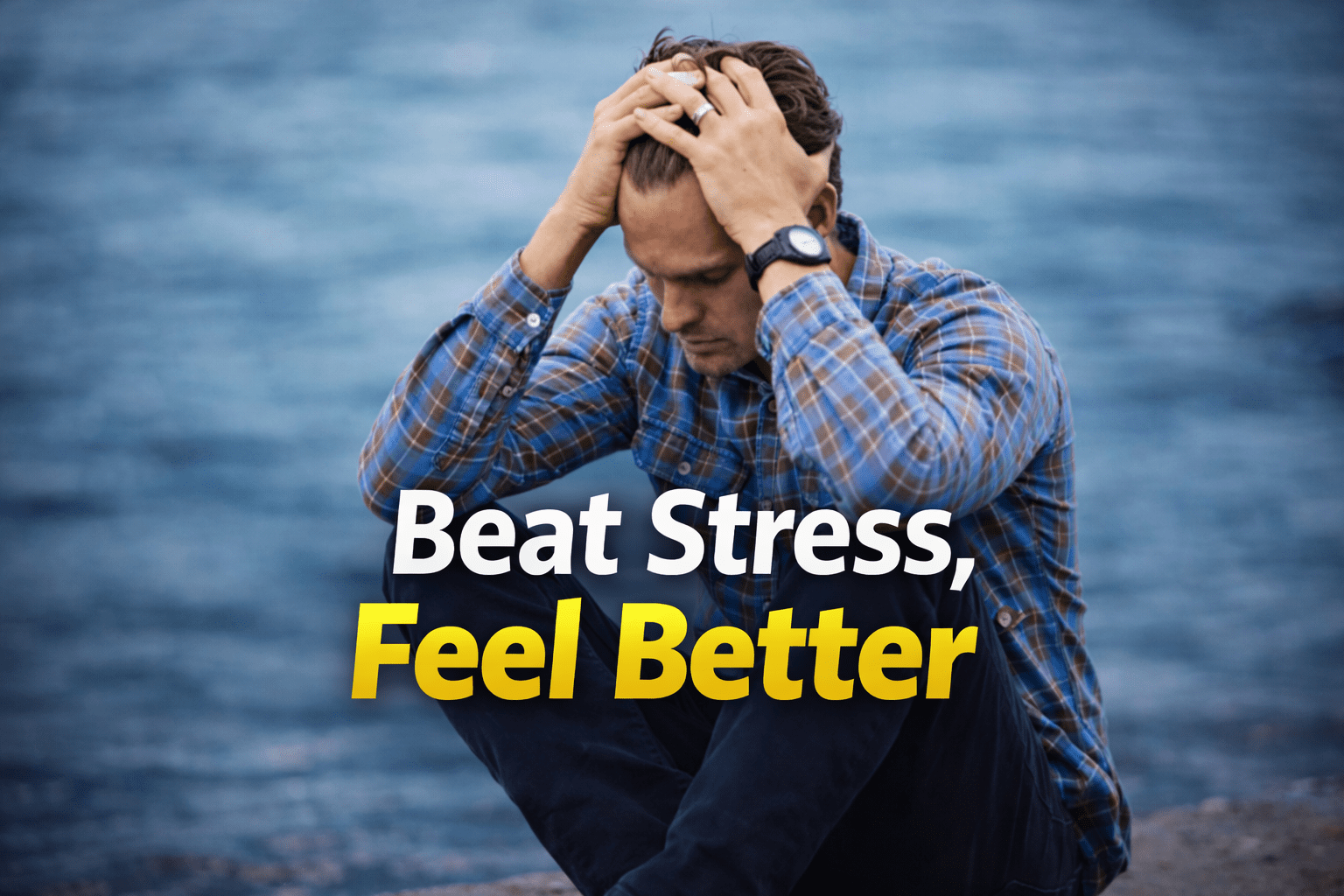
Mental health is just as important as physical health, yet many people still ignore it. Stress, anxiety, low mood, lack of focus, and emotional fatigue have become common problems in modern life. One of the most effective and natural solutions is a workout for mental health.
Exercise is not only about muscles or weight loss. It directly affects how your brain works, how you feel emotionally, and how you handle daily stress. A properly planned workout routine can significantly improve mental clarity, emotional balance, and overall well-being.
This article explains how workouts help mental health, what type of exercises work best, and how to build a sustainable routine for long-term mental wellness.
Understanding the Connection Between Exercise and Mental Health
The human brain responds strongly to physical movement. When you perform a workout for mental health, your brain releases chemicals that improve mood and reduce stress.
These natural changes happen during and after exercise:
- Increased blood flow to the brain
- Release of endorphins (feel-good hormones)
- Reduced stress hormones like cortisol
- Improved oxygen supply
Over time, regular exercise reshapes how the brain handles emotions and pressure.
Why a Workout for Mental Health Is So Effective
Unlike temporary distractions, exercise creates real biological changes in the brain. These changes improve emotional control and mental resilience.
Key Mental Health Benefits
- Reduces anxiety and stress
- Improves mood and emotional stability
- Enhances focus and concentration
- Boosts self-confidence
- Improves sleep quality
A consistent workout for mental health works as a natural therapy without side effects.
Types of Workouts That Support Mental Health
Not every workout affects the mind in the same way. Some exercises are especially powerful for mental wellness.
1. Aerobic Exercises
Walking, jogging, cycling, or light cardio improves oxygen flow to the brain and reduces anxiety.
2. Strength Training
Bodyweight or resistance training builds confidence and mental discipline.
3. Mind-Body Exercises
Yoga, stretching, and slow controlled movements calm the nervous system.
4. Short High-Intensity Workouts
Quick sessions improve mood by releasing endorphins rapidly.
Each of these supports a different aspect of mental health.
How Exercise Reduces Stress Naturally
Stress is a physical and mental reaction. A workout for mental health helps break the stress cycle by calming the nervous system.
Exercise:
- Lowers heart rate over time
- Reduces muscle tension
- Improves breathing patterns
- Helps the mind shift focus away from worries
Even a 20-minute session can reduce stress levels significantly.
Workout for Mental Health and Anxiety Relief
Anxiety often comes from excess mental energy and nervous tension. Physical movement provides a healthy outlet.
Regular exercise:
- Grounds the mind in the present moment
- Reduces racing thoughts
- Improves emotional regulation
Low-impact workouts like walking or stretching are especially helpful during anxious periods.
Workout for Mental Health and Depression Support
Exercise is not a replacement for medical care, but it plays a strong supportive role.
A workout for mental health helps by:
- Increasing serotonin and dopamine levels
- Improving sleep patterns
- Creating a sense of accomplishment
Many people report feeling lighter and more motivated after regular workouts.
How Long Should You Work Out for Mental Health?
Mental health workouts do not need to be long.
Recommended Duration
- 15–30 minutes per session
- 3–5 days per week
Consistency matters more than intensity.
Best Time to Do a Workout for Mental Health
The best time is when you can stay consistent.
- Morning workouts improve focus and energy
- Afternoon workouts reduce work stress
- Evening workouts release mental tension
Choose a time that fits your lifestyle.
Sample Weekly Workout Plan for Mental Health
| Day | Workout Focus | Duration |
|---|---|---|
| Monday | Light cardio + stretching | 20 min |
| Tuesday | Bodyweight strength | 25 min |
| Wednesday | Walking or yoga | 20 min |
| Thursday | Full body movement | 25 min |
| Friday | Relaxed cardio | 20 min |
| Weekend | Active recovery | Optional |
This balanced plan supports both mind and body.
How Exercise Improves Sleep and Mental Recovery
Poor sleep worsens mental health. A workout for mental health improves sleep quality by regulating hormones and reducing mental overactivity.
Benefits include:
- Faster sleep onset
- Deeper sleep cycles
- Better morning energy
Good sleep strengthens emotional resilience.
![pexels media 185801[1]](https://powervedafit.com/wp-content/uploads/2025/12/pexels-media-1858011-1024x683.jpeg)
Building a Sustainable Mental Health Workout Habit
Sustainability is key. Avoid extreme routines.
Practical Tips
- Start small
- Focus on enjoyment
- Avoid comparing yourself to others
- Track consistency, not perfection
A simple routine followed consistently works best.
Common Mistakes to Avoid
Many people unknowingly reduce the mental benefits of exercise.
Avoid:
- Overtraining
- Skipping rest days
- Exercising only for appearance
- Ignoring breathing
Balance keeps both mind and body healthy.
How Long Before You Notice Mental Health Benefits?
Mental benefits appear faster than physical ones.
- Mood improvement: 1–2 weeks
- Reduced stress: 2–3 weeks
- Better focus: 3–4 weeks
Consistency accelerates results.
Why Home Workouts Work Well for Mental Health
Home workouts remove pressure and distractions. A workout for mental health at home allows freedom and comfort.
Benefits include:
- No social anxiety
- Flexible timing
- Calm environment
This makes it easier to stay consistent.
Mental Strength Comes from Movement
Mental strength is not built by thinking alone. It is built by action. Exercise teaches discipline, patience, and self-control.
A workout for mental health trains the mind to stay steady even under pressure.
How Different Types of Workouts Affect Mental Health
Not all workouts impact mental health in the same way. Each type of exercise supports the brain differently.
Strength Training and Mental Strength
Strength training improves confidence and self-belief. Lifting your own body weight or doing resistance movements teaches discipline and focus.
People who include strength-based workouts often experience:
- Better self-esteem
- Reduced anxiety
- Improved emotional control
This makes strength training an important part of any workout for mental health routine.
Cardio Workouts and Stress Reduction
Cardio exercises like brisk walking, jogging, cycling, or jumping jacks increase blood flow to the brain. This helps reduce stress hormones such as cortisol.
Cardio-based workouts are especially effective for:
- Stress relief
- Mood improvement
- Reducing mental fatigue
Even 15–20 minutes of cardio can significantly improve mental clarity.
Mindful Movement and Emotional Balance
Exercises that combine movement with awareness help calm the nervous system. These workouts improve emotional stability and inner calm.
Mindful workouts help with:
- Overthinking
- Emotional imbalance
- Restlessness
This is why slow and controlled movement is essential in a workout for mental health plan.
How Often Should You Exercise for Mental Health?
Consistency matters more than intensity. You don’t need to train hard every day.
Recommended Frequency
- 3–5 days per week
- 20–30 minutes per session
- Moderate intensity
Overtraining can increase stress instead of reducing it. Balance is key.
Signs Your Workout Is Improving Your Mental Health
Mental health improvements often appear subtly before physical changes.
Positive Signs Include:
- Better sleep quality
- Improved mood throughout the day
- Reduced negative thoughts
- Increased motivation
- Better emotional control
These are clear indicators that your workout for mental health is working.
Workout for Mental Health: Beginner-Friendly Weekly Plan
Here is a simple weekly structure you can follow:
| Day | Workout Type | Duration |
|---|---|---|
| Monday | Full body movement | 20 minutes |
| Tuesday | Light cardio + stretching | 20 minutes |
| Wednesday | Strength-focused workout | 25 minutes |
| Thursday | Active recovery | 15 minutes |
| Friday | Full body workout | 20 minutes |
| Weekend | Walking or mobility | Optional |
This balanced plan supports both physical and mental well-being.
How Exercise Helps With Anxiety
Anxiety often comes from excess mental energy. Exercise provides a healthy outlet for that energy.
Regular workouts help by:
- Reducing muscle tension
- Slowing racing thoughts
- Improving breathing patterns
- Creating mental grounding
A consistent workout for mental health can reduce anxiety symptoms over time.
Exercise and Depression: What You Should Know
Exercise does not replace professional care, but it plays a powerful supportive role.
Physical activity helps by:
- Increasing dopamine and serotonin
- Improving daily routine
- Creating a sense of achievement
Many people report improved mood and emotional stability with regular workouts.
Morning vs Evening Workouts for Mental Health
Both have benefits depending on your lifestyle.
Morning Workouts
- Boost energy for the day
- Improve focus
- Reduce morning anxiety
Evening Workouts
- Release daily stress
- Improve sleep quality
- Calm the nervous system
Choose the time that feels most natural to you.
Nutrition and Mental Health Support
Exercise works best when supported by proper nutrition.
Simple Nutrition Guidelines
- Stay hydrated
- Eat whole foods
- Avoid excessive sugar
- Maintain regular meal timing
A healthy body supports a healthy mind.
How Long Does It Take to See Mental Health Benefits?
Mental benefits often appear faster than physical results.
- Improved mood: 1–2 weeks
- Reduced stress: 2–3 weeks
- Better emotional balance: 4–6 weeks
Consistency is the key factor.
Common Myths About Workout and Mental Health
Myth 1: You need intense workouts
Truth: Moderate workouts are more effective long-term.
Myth 2: Only cardio helps mental health
Truth: Strength and mobility exercises are equally important.
Myth 3: Results should be instant
Truth: Mental health improvements build gradually.
Why Home Workouts Are Ideal for Mental Health
Home workouts reduce pressure and comparison. You move at your own pace, in your own space.
Benefits include:
- Less social anxiety
- More comfort
- Greater consistency
This makes home-based workout for mental health routines highly effective.
![pexels media 4348589[1]](https://powervedafit.com/wp-content/uploads/2025/12/pexels-media-43485891-1024x683.jpeg)
How to Stay Motivated Long-Term
Motivation comes and goes. Habits stay.
Practical Motivation Tips
- Track how you feel, not just weight
- Celebrate small wins
- Keep workouts simple
- Focus on mental clarity, not perfection
Long-Term Mental Benefits of Regular Exercise
Over time, exercise reshapes how you respond to stress.
Long-term benefits include:
- Emotional resilience
- Better decision-making
- Increased self-confidence
- Improved quality of life
This is why fitness is considered a foundation for mental strength.
Final Summary
A consistent workout for mental health is one of the most natural and effective ways to improve emotional well-being. It reduces stress, enhances mood, improves focus, and builds resilience.
You don’t need long sessions or complex routines. What matters is regular movement, mindful effort, and patience.
Final Conclusion
Mental health is not built overnight. It is strengthened through daily habits, and exercise is one of the most powerful habits you can adopt.
By following a structured workout for mental health, you create a strong connection between your body and mind. Over time, this connection leads to better emotional balance, clarity, and confidence.
Start small. Stay consistent. Let movement heal the mind.