

A torn calf muscle is a common injury that can affect athletes, gym-goers, runners, and even people performing everyday activities. One sudden movement, overuse, or improper warm-up can lead to muscle damage that disrupts normal mobility.
Understanding torn calf muscle recovery time is essential for proper healing. Many people return to activity too early, which increases the risk of re-injury and delays full recovery. This guide explains recovery timelines, healing stages, and what to expect during the recovery process in clear and practical terms.
What Is a Torn Calf Muscle?
The calf muscle is made up of two primary muscles: the gastrocnemius and the soleus. These muscles work together to support walking, running, jumping, and standing.
A torn calf muscle occurs when muscle fibers stretch beyond their limit and tear. The severity of the tear determines the torn calf muscle recovery time and the treatment approach.
Common Causes of a Torn Calf Muscle
A calf muscle tear can happen suddenly or develop over time due to strain.
Common causes include:
- Sudden acceleration or stopping
- Jumping or sprinting without warm-up
- Muscle fatigue or overuse
- Poor flexibility
- Returning to activity too quickly after rest
Understanding the cause helps prevent future injury and supports proper recovery.
Types of Calf Muscle Tears
Calf muscle injuries are classified into three grades. Each grade has a different torn calf muscle recovery time.
Grade 1: Mild Tear
- Small muscle fiber damage
- Mild pain and stiffness
- Minimal swelling
Recovery time: 1 to 3 weeks
Grade 2: Moderate Tear
- Partial muscle tear
- Noticeable pain and swelling
- Difficulty walking or pushing off
Recovery time: 4 to 8 weeks
Grade 3: Severe Tear
- Complete muscle rupture
- Severe pain and swelling
- Loss of muscle function
Recovery time: 3 to 6 months or longer
Torn Calf Muscle Recovery Time: What Affects Healing Speed?
Recovery time varies from person to person. Several factors influence how quickly the muscle heals.
Key factors include:
- Severity of the tear
- Age and overall health
- Activity level before injury
- Proper rest and rehabilitation
- Avoiding early return to activity
Respecting the body’s healing process is critical for full recovery.
Early Symptoms of a Torn Calf Muscle
Recognizing symptoms early can reduce recovery time.
Common signs include:
- Sudden sharp pain in the calf
- Tightness or stiffness
- Swelling or bruising
- Pain when walking or standing
- Weakness in the lower leg
Ignoring symptoms often leads to longer torn calf muscle recovery time.
First 48 Hours After Injury: What to Do
The first two days after a calf muscle tear are crucial.
Immediate Care Steps
- Rest the leg completely
- Apply ice for 15–20 minutes
- Keep the leg elevated
- Avoid stretching or massage
This initial phase helps control inflammation and prevents further damage.
Healing Stages of a Torn Calf Muscle
Understanding the healing stages helps set realistic expectations.
Inflammatory Phase (0–5 Days)
The body responds to injury with swelling and pain. Rest is essential during this phase.
Repair Phase (1–6 Weeks)
New muscle fibers begin to form. Gentle movement may be introduced under guidance.
Remodeling Phase (6 Weeks–Several Months)
The muscle regains strength and flexibility. Proper rehabilitation is critical here.
Each phase directly impacts overall torn calf muscle recovery time.
Can You Walk With a Torn Calf Muscle?
Walking depends on the severity of the tear.
- Mild tears may allow limited walking
- Moderate tears cause discomfort and limping
- Severe tears often prevent weight-bearing
Forcing movement too early increases recovery time and risk of reinjury.
When Does Pain Start to Decrease?
Pain usually decreases gradually as healing begins.
- Mild tears: pain reduces within 7–10 days
- Moderate tears: pain improves after 2–3 weeks
- Severe tears: pain may last several weeks
Pain reduction does not always mean full recovery.
Physical Therapy and Recovery
Physical therapy plays a major role in reducing torn calf muscle recovery time.
Benefits include:
- Restoring muscle strength
- Improving flexibility
- Preventing scar tissue buildup
- Reducing reinjury risk
Skipping rehabilitation often leads to incomplete healing.
Stretching During Calf Muscle Recovery
Stretching should only begin when pain and swelling decrease.
Gentle stretching:
- Improves blood flow
- Prevents stiffness
- Supports long-term recovery
Aggressive stretching too early can delay healing.
Strengthening the Calf After a Tear
Strength returns gradually through controlled exercises.
Focus areas include:
- Calf muscle endurance
- Ankle stability
- Balance and coordination
Proper strengthening shortens future injury risk.
Returning to Activity After a Torn Calf Muscle
Returning too soon is the most common mistake.
Signs you may be ready:
- No pain during daily movement
- Full range of motion
- Equal strength in both legs
Even after recovery, progress slowly to protect the muscle.
How Long Before Full Recovery?
Full recovery depends on injury grade and consistency in care.
- Mild tear: full recovery in 2–4 weeks
- Moderate tear: full recovery in 6–10 weeks
- Severe tear: full recovery may take 6 months
This timeline reflects realistic torn calf muscle recovery time expectations.
Common Mistakes That Delay Recovery
Avoid these errors:
- Ignoring pain signals
- Returning to exercise too early
- Skipping rest days
- Poor hydration and nutrition
Correcting these habits improves healing outcomes.
Can a Torn Calf Muscle Heal Completely?
Yes, with proper care, most calf muscle tears heal fully. However, incomplete rehabilitation increases the chance of re-injury and long-term weakness.
Patience and consistency are key.
Long-Term Outlook After a Calf Muscle Tear
Most individuals return to full activity with no lasting issues. Following a structured recovery plan reduces the risk of chronic pain or repeat injury.
Understanding torn calf muscle recovery time helps set realistic goals and prevents frustration.
Factors That Affect Torn Calf Muscle Recovery Time
Not everyone recovers at the same speed. The torn calf muscle recovery time depends on several important factors that influence how fast the muscle heals.
One major factor is the severity of the tear. A mild muscle strain heals much faster than a complete muscle tear. Age also plays a role. Younger individuals usually recover quicker because their muscles regenerate faster.
Another key factor is activity level before injury. People who regularly exercise and have stronger muscles often recover faster than those who are inactive. Nutrition, sleep quality, and stress levels also directly affect muscle healing.
Ignoring these factors can significantly delay recovery and increase the risk of reinjury.
How Proper Rest Speeds Up Recovery
Rest is not optional when dealing with a calf muscle tear. During rest, your body repairs damaged muscle fibers and rebuilds them stronger.
Many people make the mistake of returning to activity too soon. This can extend the torn calf muscle recovery time by weeks or even months.
Rest does not mean complete inactivity. It means avoiding activities that put strain on the injured muscle while allowing gentle movement that promotes blood flow.
Listening to your body is critical. Pain is a signal, not something to push through.
The Role of Blood Flow in Muscle Healing
Healthy blood circulation is essential for muscle repair. Blood delivers oxygen and nutrients that damaged muscle tissue needs to heal.
Light movement, gentle stretching, and proper hydration help maintain blood flow without stressing the injury. Poor circulation can slow the healing process and increase stiffness.
This is why gradual movement is often recommended after the initial rest phase in torn calf muscle injuries.
When Is It Safe to Walk After a Torn Calf Muscle?
Walking ability depends on the injury grade. With a mild tear, walking may be possible within a few days. With moderate or severe tears, walking too early can worsen the injury.
If walking causes sharp pain, limping, or tightness, it is a sign that the muscle is not ready. Walking should always be pain-free and controlled.
Rushing this phase can increase the total torn calf muscle recovery time and lead to chronic muscle problems.
Stretching: When to Start and When to Avoid
Stretching too early is one of the most common mistakes people make after a calf muscle tear.
In the first phase of recovery, stretching can reopen healing muscle fibers. Stretching should only begin when pain has significantly reduced and basic movement feels comfortable.
Once safe, gentle calf stretches help restore flexibility and prevent stiffness. Aggressive stretching should be avoided until full recovery.
Strengthening the Calf After Injury
Strength training is essential for preventing future injuries. Weak muscles are more likely to tear again.
After the initial healing phase, gradual strengthening exercises help rebuild muscle fibers and restore balance. These exercises should start with low resistance and controlled movement.
Proper strengthening reduces long-term torn calf muscle recovery time and improves overall muscle resilience.
Common Signs Your Calf Muscle Is Healing Properly
Knowing whether your injury is improving helps you make better recovery decisions.
Positive healing signs include:
- Reduced pain and swelling
- Improved walking ability
- Increased range of motion
- Less muscle tightness
If pain remains constant or worsens, it may indicate delayed healing or reinjury.
Warning Signs of Delayed Recovery
Sometimes recovery does not go as expected. Warning signs include persistent pain, repeated swelling, muscle weakness, or difficulty walking even after weeks.
These signs suggest that the torn calf muscle recovery time may be longer due to incomplete healing or improper rehabilitation.
Ignoring these symptoms can turn a temporary injury into a long-term issue.
Can You Speed Up Torn Calf Muscle Recovery Time Naturally?
While healing takes time, certain habits support faster recovery.
Adequate protein intake helps repair muscle fibers. Staying hydrated improves circulation and nutrient delivery. Quality sleep allows the body to release growth hormones essential for tissue repair.
Avoid smoking and excessive alcohol, as both slow muscle healing and increase inflammation.
The Importance of Proper Footwear During Recovery
Footwear plays a bigger role than most people realize. Unsupportive shoes increase stress on the calf muscle.
Wearing proper footwear reduces strain, improves walking mechanics, and supports faster healing. Avoid flat or worn-out shoes during recovery.
Good footwear can shorten the torn calf muscle recovery time by reducing unnecessary muscle load.
Returning to Exercise After a Torn Calf Muscle
Returning to exercise should be gradual and structured. Jumping back into high-impact activities too soon increases the risk of reinjury.
Low-impact activities should come first, followed by moderate resistance training. High-impact sports should only resume when full strength and flexibility return.
A slow return protects your recovery progress.
How Reinjury Happens and How to Prevent It
Reinjury usually occurs due to impatience. Many people feel better and assume the muscle is fully healed when it is not.
Skipping proper rehabilitation or ignoring muscle imbalances increases the risk of tearing the calf muscle again.
Proper warm-ups, gradual training progression, and regular stretching reduce reinjury risk.
Psychological Impact of Muscle Injuries
Muscle injuries can affect mental health. Frustration, fear of movement, and anxiety about reinjury are common.
Understanding the normal torn calf muscle recovery time helps manage expectations and reduces stress.
Mental patience is just as important as physical recovery.
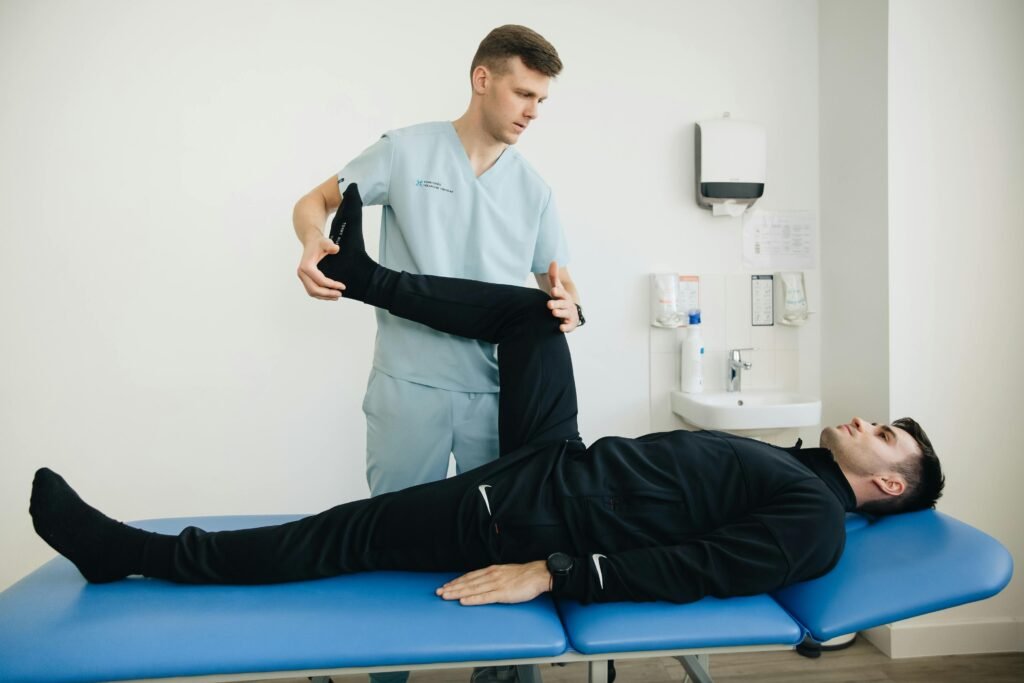
How Long Does Full Recovery Really Take?
Full recovery means pain-free movement, restored strength, and normal flexibility. This can take several weeks to months depending on injury severity.
Mild tears may heal within a few weeks, while severe tears can take months.
Rushing the process almost always extends total recovery time.
Final Recovery Checklist
Before returning to normal activity, ensure:
- No pain during walking or light exercise
- Full calf muscle strength
- Normal flexibility
- Confidence in movement
Meeting these criteria reduces future injury risk.
Final Thoughts on Torn Calf Muscle Recovery Time
A calf muscle tear requires patience, proper care, and smart recovery decisions. The torn calf muscle recovery time varies for each individual, but correct rest, gradual movement, and healthy habits significantly improve outcomes.
Respect the healing process. Focus on long-term recovery rather than quick fixes. With the right approach, full recovery is achievable and sustainable.