

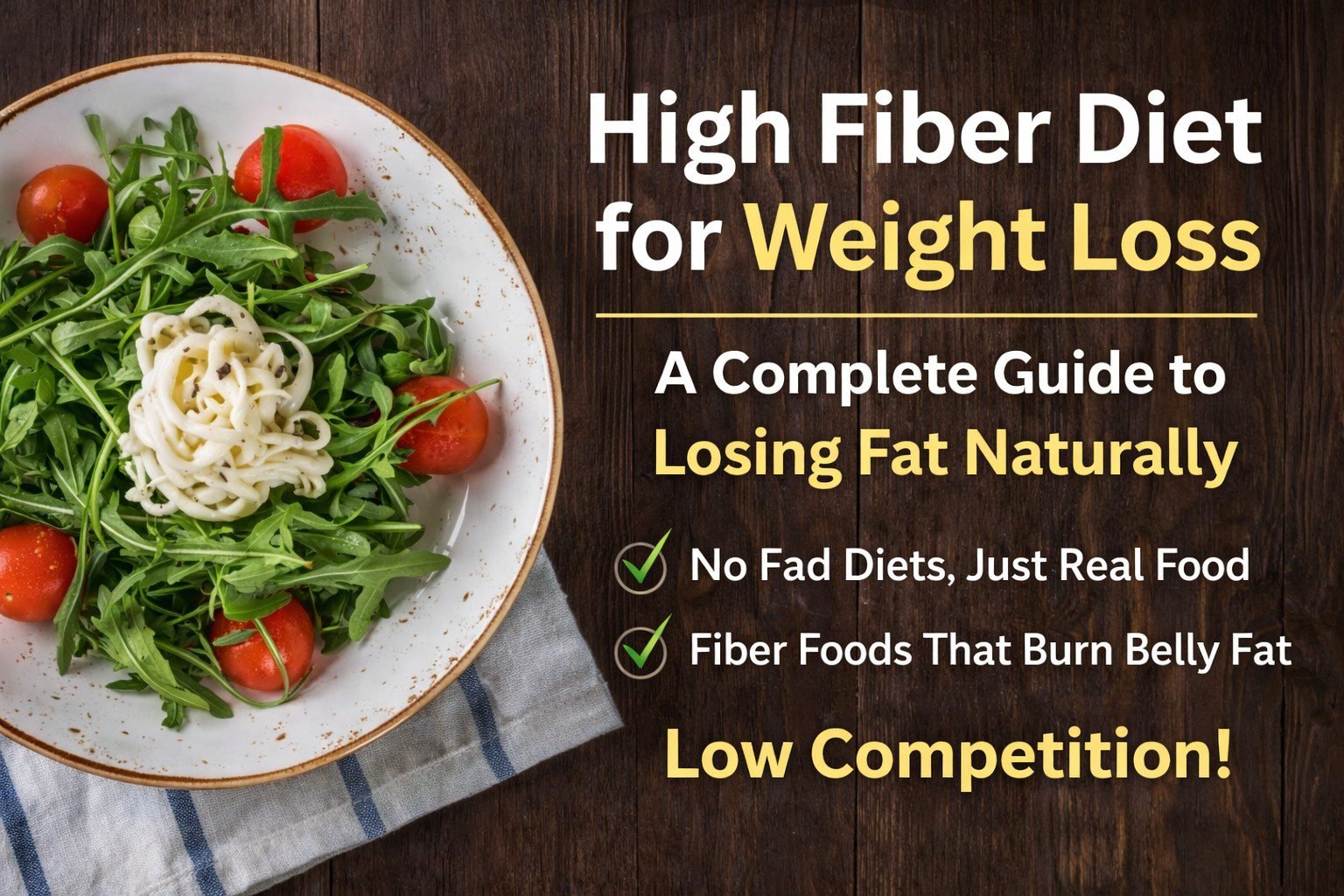
Weight loss does not always require extreme dieting, starvation, or complicated meal plans. One of the most effective and sustainable ways to lose weight naturally is by following a high fiber diet for weight loss.
Fiber-rich foods help control hunger, improve digestion, stabilize blood sugar levels, and reduce overall calorie intake without making you feel deprived. This is why nutrition experts and health professionals consistently recommend fiber as a core component of any healthy weight loss plan.
This guide explains everything you need to know about a high fiber diet for weight loss, including how it works, what foods to eat, how much fiber you need, and how to build a realistic daily meal plan.
What Is a High Fiber Diet?
A high fiber diet focuses on foods that are naturally rich in dietary fiber. Fiber is a type of carbohydrate that the body cannot fully digest. Instead of being absorbed, fiber passes through the digestive system and supports gut health.
There are two main types of fiber:
Soluble Fiber
Soluble fiber dissolves in water and forms a gel-like substance in the gut. It slows digestion and helps you feel full for longer.
Insoluble Fiber
Insoluble fiber does not dissolve in water. It adds bulk to stool and improves digestion and bowel movement.
A balanced high fiber diet for weight loss includes both types.
Why Fiber Is Important for Weight Loss
Fiber plays a critical role in fat loss and appetite control. People who consume more fiber tend to eat fewer calories throughout the day without consciously trying to restrict food.
How Fiber Supports Weight Loss
- Increases fullness and satiety
- Reduces hunger cravings
- Slows digestion
- Stabilizes blood sugar levels
- Supports healthy gut bacteria
A diet rich in fiber naturally leads to better food choices and long-term weight management.
How Much Fiber Do You Need for Weight Loss?
Fiber needs vary depending on age, gender, and activity level. However, general guidelines recommend:
- Women: 25–30 grams per day
- Men: 30–38 grams per day
For weight loss, staying within this range is ideal. Increasing fiber intake gradually helps avoid digestive discomfort.
Best High Fiber Foods for Weight Loss
The foundation of a successful high fiber diet for weight loss is choosing the right foods. Whole, minimally processed foods are the best sources of fiber.
Fruits High in Fiber
- Apples
- Pears
- Berries
- Oranges
- Avocados
Fruits provide fiber along with natural sweetness, making them a smart replacement for sugary snacks.
Vegetables High in Fiber
- Broccoli
- Carrots
- Spinach
- Brussels sprouts
- Sweet potatoes
Vegetables are low in calories but high in volume, which supports weight loss.
Whole Grains
- Oats
- Brown rice
- Quinoa
- Whole wheat bread
- Barley
Whole grains contain fiber that keeps you full longer than refined grains.
Legumes and Beans
- Lentils
- Chickpeas
- Black beans
- Kidney beans
Legumes are one of the most powerful foods in a high fiber diet for weight loss because they combine fiber with plant protein.
Nuts and Seeds
- Chia seeds
- Flaxseeds
- Almonds
- Walnuts
Though higher in calories, nuts and seeds provide fiber, healthy fats, and long-lasting energy when consumed in moderation.
High Fiber Diet vs Low Carb Diet for Weight Loss
Many people compare fiber-rich diets with low-carb approaches. While both can support weight loss, fiber-based diets are easier to maintain long term.
Key Differences
| Feature | High Fiber Diet | Low Carb Diet |
|---|---|---|
| Hunger control | Excellent | Moderate |
| Sustainability | High | Medium |
| Gut health | Improved | Often reduced |
| Energy levels | Stable | Can fluctuate |
A high fiber diet for weight loss supports overall health, not just fat loss.
Sample High Fiber Diet Meal Plan for Weight Loss
Below is a simple daily structure that supports weight loss without extreme restriction.
Breakfast
Oatmeal topped with berries and chia seeds
Lunch
Grilled vegetables with quinoa and lentils
Snack
Apple with a small handful of almonds
Dinner
Baked sweet potato with steamed broccoli and beans
This type of meal plan is filling, balanced, and naturally calorie-controlled.
Common Mistakes to Avoid on a High Fiber Diet
While fiber is beneficial, mistakes can slow progress.
Mistakes That Reduce Results
- Increasing fiber too quickly
- Ignoring hydration
- Relying on processed “fiber” foods
- Skipping protein
- Eating large portions
Water intake is essential when following a high fiber diet for weight loss.
Does Fiber Burn Fat Directly?
Fiber does not burn fat directly, but it creates the conditions needed for fat loss. By controlling appetite and improving digestion, fiber helps reduce calorie intake naturally.
Over time, this calorie balance leads to sustainable fat loss.
Fiber and Belly Fat Reduction
High fiber foods help regulate insulin and reduce fat storage, especially around the abdomen. Soluble fiber, in particular, is associated with reduced belly fat.
Consistent intake plays a bigger role than short-term changes.

How Long Does It Take to See Results?
Weight loss results vary, but most people notice:
- Improved digestion within 1 week
- Reduced cravings within 2 weeks
- Visible weight changes within 3–5 weeks
Consistency matters more than perfection.
High Fiber Diet for Long-Term Weight Maintenance
Unlike restrictive diets, a high fiber diet for weight loss is easy to maintain long term. It encourages healthy eating habits without strict rules.
People who maintain weight loss long term usually consume higher fiber diets.
Final Tips for Success
- Increase fiber gradually
- Drink plenty of water
- Focus on whole foods
- Combine fiber with protein
- Stay consistent
Small changes lead to lasting results.
How Fiber Helps Control Appetite Naturally
One of the biggest benefits of a high fiber diet for weight loss is appetite control. Fiber-rich foods digest slowly, which keeps you feeling full for a longer time. This reduces unnecessary snacking and overeating throughout the day.
When you consume fiber, it expands in your stomach by absorbing water. This physical expansion sends fullness signals to your brain, helping you eat fewer calories without feeling hungry or deprived.
People who follow a high-fiber eating pattern often notice that they naturally reduce portion sizes without consciously trying to diet.
Types of Fiber You Should Know
Understanding fiber types helps you create a more effective weight loss plan.
Soluble Fiber
Soluble fiber dissolves in water and forms a gel-like substance in the gut. It helps regulate blood sugar levels and reduces cholesterol.
Examples:
- Oats
- Apples
- Beans
- Citrus fruits
Soluble fiber is especially helpful for belly fat reduction and metabolic health.
Insoluble Fiber
Insoluble fiber does not dissolve in water. It adds bulk to stool and supports healthy digestion.
Examples:
- Whole wheat
- Brown rice
- Vegetables
- Nuts and seeds
This type of fiber keeps digestion smooth and prevents constipation, which is often linked to weight gain.
Best High Fiber Foods for Weight Loss
Below is a practical list of foods that support a high fiber diet for weight loss:
| Food Item | Fiber (per serving) | Weight Loss Benefit |
|---|---|---|
| Oats | 4–5g | Keeps you full longer |
| Lentils | 7–8g | High protein + fiber |
| Apples | 4g | Controls sugar cravings |
| Chia Seeds | 10g | Reduces appetite |
| Broccoli | 3g | Low calorie, high volume |
| Beans | 6–9g | Improves digestion |
Including these foods regularly helps create a sustainable calorie deficit.
How Much Fiber Do You Need Daily?
For effective results, fiber intake should be consistent.
- Women: 22–28 grams per day
- Men: 28–35 grams per day
Gradually increase fiber intake to avoid bloating or discomfort. Sudden high fiber consumption can shock your digestive system.
High Fiber Diet vs Low Carb Diet
Many people confuse fiber-rich diets with low-carb diets. Fiber is actually a type of carbohydrate, but it behaves differently in the body.
A high fiber diet for weight loss:
- Improves digestion
- Supports gut health
- Keeps energy stable
Unlike extreme low-carb diets, fiber-based eating is sustainable and safer for long-term health.
Can Fiber Reduce Belly Fat?
Fiber does not target fat from one specific area, but it improves insulin sensitivity and digestion, which helps reduce stored fat over time.
Soluble fiber is particularly effective in reducing abdominal fat by slowing digestion and improving metabolic balance.
Common Mistakes People Make on a High Fiber Diet
Many people fail to see results due to avoidable mistakes:
- Not drinking enough water
- Relying only on supplements
- Ignoring protein intake
- Increasing fiber too quickly
Fiber works best when combined with hydration, protein, and balanced meals.
High Fiber Diet Meal Timing Tips
Meal timing also matters for weight loss.
- Eat fiber-rich foods earlier in the day
- Include fiber in every meal
- Avoid heavy fiber late at night
This helps digestion and improves nutrient absorption.
High Fiber Diet for Beginners
If you are new, start simple.
Begin with:
- Oatmeal for breakfast
- Vegetables at lunch
- Lentils or beans at dinner
Gradually add fruits, seeds, and whole grains.
Consistency is more important than perfection.
Does Fiber Improve Metabolism?
Yes. Fiber supports gut bacteria, which play a role in metabolic health. A healthy gut improves nutrient absorption and energy regulation.
People with better gut health often experience easier weight loss and better digestion.

High Fiber Diet and Blood Sugar Control
Fiber slows down sugar absorption in the bloodstream. This prevents sudden spikes and crashes in energy levels.
Stable blood sugar helps reduce cravings and emotional eating, which are major obstacles in weight loss.
How Long Does It Take to See Results?
Results depend on lifestyle and consistency.
- Improved digestion: 5–7 days
- Reduced hunger: 1–2 weeks
- Visible weight changes: 3–5 weeks
Patience and consistency are key.
Is a High Fiber Diet Safe Long Term?
Yes. A high fiber diet for weight loss is one of the safest and most recommended eating approaches worldwide.
It supports:
- Heart health
- Gut health
- Hormonal balance
- Sustainable fat loss
High Fiber Diet for Weight Loss: A Complete Guide to Burn Fat Naturally
Losing weight is not only about cutting calories or spending hours in the gym. The quality of food you eat plays a major role in how your body burns fat, controls hunger, and maintains energy levels. One of the most effective and sustainable nutrition strategies is following a high fiber diet for weight loss.
Fiber is often overlooked, yet it is one of the most powerful nutrients for fat loss. A diet rich in fiber helps control appetite, improve digestion, stabilize blood sugar levels, and support long-term weight management.
This complete guide explains everything about a high fiber diet for weight loss, including how it works, what foods to eat, how much fiber you need, and how to follow it correctly for real results.
What Is a High Fiber Diet?
A high fiber diet focuses on foods that are naturally rich in dietary fiber. Fiber is a type of carbohydrate that the body cannot fully digest. Instead of being absorbed, it passes through the digestive system, providing several health benefits.
There are two main types of fiber:
- Soluble fiber – dissolves in water and forms a gel-like substance
- Insoluble fiber – adds bulk to stool and supports digestion
Both types are essential in a high fiber diet for weight loss.
Why Fiber Is Important for Weight Loss
Fiber directly supports fat loss in multiple ways. Unlike refined carbohydrates, fiber slows digestion and keeps you full for longer periods.
Key Weight Loss Benefits of Fiber
- Reduces hunger and cravings
- Controls calorie intake naturally
- Improves gut health
- Slows sugar absorption
- Prevents overeating
People who follow a high fiber diet for weight loss often consume fewer calories without feeling deprived.
How Fiber Helps Burn Fat Naturally
Fiber does not burn fat directly, but it creates the ideal conditions for fat loss.
When you eat fiber-rich foods:
- Digestion slows down
- Blood sugar remains stable
- Insulin spikes are reduced
- Fat storage decreases
This metabolic balance allows the body to use stored fat as energy more efficiently.
Recommended Daily Fiber Intake for Weight Loss
Fiber needs vary by age and gender, but general recommendations are:
| Group | Daily Fiber Intake |
|---|---|
| Adult women | 25–30 grams |
| Adult men | 30–38 grams |
| Weight loss goal | 30–40 grams |
Most people consume far less than the recommended amount, which slows weight loss progress.
Best High Fiber Foods for Weight Loss
Choosing the right foods is essential for following a high fiber diet for weight loss successfully.
1. Vegetables
Vegetables are low in calories and high in fiber.
- Broccoli
- Spinach
- Carrots
- Cauliflower
- Brussels sprouts
Vegetables add volume to meals without increasing calories.
2. Fruits
Fruits provide fiber along with vitamins and antioxidants.
- Apples
- Pears
- Berries
- Oranges
- Avocados
Whole fruits are always better than fruit juices.
3. Whole Grains
Whole grains contain fiber-rich outer layers.
- Oats
- Brown rice
- Quinoa
- Whole wheat
- Barley
They help maintain energy while supporting fat loss.

4. Legumes
Legumes are excellent for a high fiber diet for weight loss.
- Lentils
- Chickpeas
- Black beans
- Kidney beans
They are filling and support muscle preservation during weight loss.
5. Nuts and Seeds
Although calorie-dense, nuts and seeds are rich in fiber.
- Chia seeds
- Flaxseeds
- Almonds
- Walnuts
Small portions are enough to support appetite control.
High Fiber Foods vs Low Fiber Foods
| High Fiber Foods | Low Fiber Foods |
|---|---|
| Whole fruits | Fruit juice |
| Brown rice | White rice |
| Whole wheat bread | White bread |
| Oats | Sugary cereals |
| Vegetables | Processed snacks |
Replacing low fiber foods with high fiber alternatives leads to better weight control.
Sample High Fiber Diet Plan for Weight Loss
A balanced daily plan helps maintain consistency.
Breakfast
- Oatmeal with berries and chia seeds
- Black coffee or green tea
Lunch
- Grilled vegetables with quinoa
- Lentil or chickpea salad
Snack
- Apple with almonds
Dinner
- Steamed vegetables
- Brown rice or beans
This structure supports a high fiber diet for weight loss without extreme restrictions.
How Fiber Controls Appetite
Fiber expands in the stomach and slows digestion. This leads to longer-lasting fullness and reduced hunger signals.
People consuming more fiber often:
- Snack less
- Eat smaller portions
- Avoid late-night cravings
This makes fiber one of the most effective tools for sustainable fat loss.
High Fiber Diet and Belly Fat
Excess belly fat is closely linked to insulin resistance and poor digestion. Fiber improves insulin sensitivity and gut health, which helps reduce abdominal fat over time.
Soluble fiber is especially effective for reducing belly fat.
Common Mistakes to Avoid on a High Fiber Diet
Many people experience discomfort because of incorrect fiber intake.
Avoid These Mistakes
- Increasing fiber too quickly
- Not drinking enough water
- Relying only on supplements
- Ignoring protein intake
Gradual changes produce better results.
How to Increase Fiber Intake Safely
- Add one fiber-rich food per meal
- Drink plenty of water
- Chew food properly
- Balance fiber with protein and fats
This approach prevents bloating and digestive issues.
Fiber and Gut Health Connection
A healthy gut plays a major role in weight loss. Fiber feeds beneficial gut bacteria, which improve digestion and metabolism.
A high fiber diet for weight loss supports long-term gut health and fat metabolism.
Can You Lose Weight Without Fiber?
Weight loss without fiber is possible but difficult to sustain. Low-fiber diets often lead to hunger, cravings, and rebound weight gain.
Fiber makes weight loss easier and more natural.
Fiber Supplements vs Natural Fiber Foods
Natural fiber from food is always preferred. Supplements may help in special cases, but whole foods provide additional nutrients.
For best results, fiber should come mainly from real foods.
How Long Does It Take to See Results?
Results depend on consistency and overall diet quality.
- Improved digestion: 1 week
- Reduced hunger: 1–2 weeks
- Visible weight changes: 3–6 weeks
A high fiber diet for weight loss works best when followed consistently.
Who Should Follow a High Fiber Diet?
This diet is suitable for:
- Beginners trying to lose weight
- People struggling with cravings
- Individuals with slow digestion
- Anyone seeking sustainable fat loss
It is one of the safest dietary approaches available.

Final Thoughts
A high fiber diet for weight loss is not a quick fix. It is a long-term lifestyle approach that supports fat loss, digestion, and overall health.
By choosing fiber-rich foods, controlling portions naturally, and staying consistent, weight loss becomes easier and more sustainable.
Instead of extreme dieting, focus on nourishing your body with fiber. The results will follow naturally.
Conclusion
Weight loss does not require starvation or complicated diets. A high fiber diet for weight loss provides a simple, effective, and science-backed solution.
Focus on whole foods, increase fiber gradually, stay hydrated, and remain consistent. This approach supports not only fat loss but also long-term health and energy.