

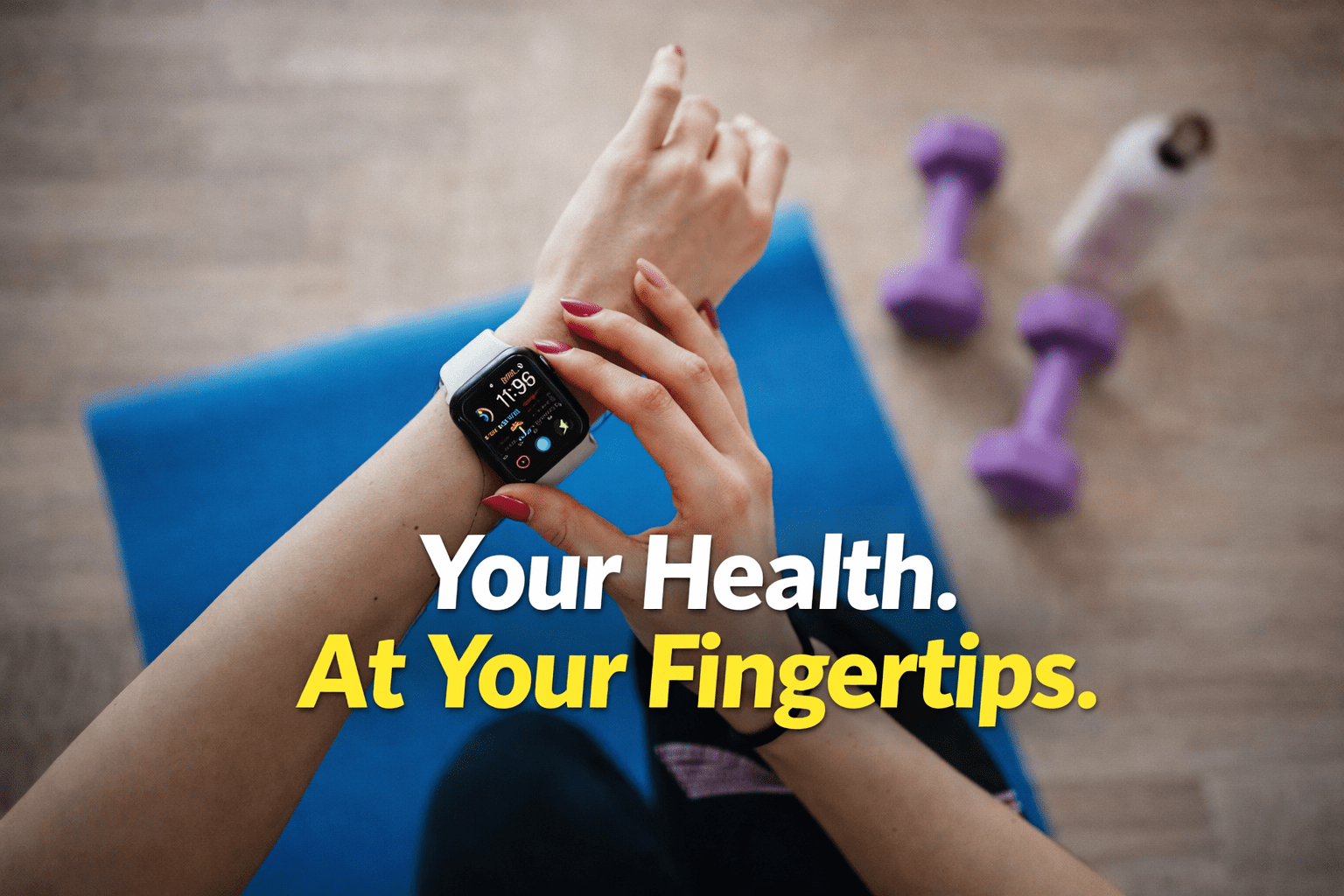
The fitness industry is evolving faster than ever, and mobile technology is playing a major role in this transformation. By 2026, fitness tracking apps are no longer just step counters. A fitness tracker app 2026 is expected to act as a personal health assistant, combining workout tracking, health monitoring, recovery insights, and smart recommendations in one place.
As people become more health-conscious, the demand for accurate, intelligent, and easy-to-use fitness tracking apps is growing rapidly in the United States. This article explores everything users want to know about a fitness tracker app in 2026 — features, trends, accuracy, privacy, and future potential.
What Is a Fitness Tracker App in 2026?
A fitness tracker app 2026 is a mobile application designed to monitor physical activity, workouts, health metrics, and lifestyle habits using smartphones, wearables, or both.
Unlike older fitness apps, modern fitness tracker apps focus on:
- Real-time data analysis
- Personalized insights
- Long-term health improvement
- Mental and physical balance
These apps are built for everyday users, athletes, beginners, and busy professionals alike.
Why Fitness Tracker Apps Are More Important Than Ever
In 2026, people are dealing with sedentary lifestyles, stress, irregular sleep, and poor recovery. A fitness tracker app helps users stay aware of their daily habits and make small but powerful improvements.
Key Reasons for Popularity
- Increased focus on preventive health
- Growth of home workouts
- Rise in wearable devices
- Demand for data-driven fitness decisions
A fitness tracker app 2026 supports consistency, accountability, and motivation.
Core Features of a Fitness Tracker App 2026
Modern users expect more than basic tracking. Below are the most important features shaping fitness tracker apps in 2026.
1. Activity Tracking
Tracks daily movement such as:
- Steps
- Distance
- Calories burned
- Active minutes
This feature helps users understand their overall activity level.
2. Workout Tracking
A fitness tracker app 2026 supports multiple workout types:
- Strength training
- Cardio workouts
- Home workouts
- Yoga and stretching
Users can log workouts manually or automatically.
3. Heart Rate Monitoring
Heart rate data helps users:
- Measure workout intensity
- Track cardiovascular health
- Avoid overtraining
Accurate heart rate tracking is a core expectation.
4. Sleep Tracking
Sleep quality is directly linked to fitness results. Modern fitness tracker apps analyze:
- Sleep duration
- Sleep stages
- Sleep consistency
Better sleep insights lead to better recovery.
5. Recovery and Rest Insights
Recovery tracking is a major trend in 2026. Apps analyze:
- Training load
- Rest days
- Fatigue signals
This helps prevent burnout and injuries.
Advanced Trends in Fitness Tracker App 2026
Fitness apps in 2026 are smarter, more personalized, and more adaptive.
AI-Based Fitness Recommendations
A fitness tracker app 2026 uses artificial intelligence to:
- Suggest workout intensity
- Recommend rest days
- Adjust goals automatically
This makes fitness planning easier and safer.
Personalized Fitness Goals
Instead of generic goals, apps now create goals based on:
- Age
- Activity level
- Health data
- Lifestyle habits
Personalization improves long-term adherence.
Mental Health Integration
Fitness is no longer only physical. Modern apps integrate:
- Stress tracking
- Breathing exercises
- Mindfulness reminders
This holistic approach is becoming standard.
Accuracy of Fitness Tracker Apps in 2026
Accuracy is one of the most searched concerns related to fitness tracker apps.
What Improves Accuracy
- Better sensors
- Machine learning models
- Data correction algorithms
- User input calibration
While no app is 100% perfect, a fitness tracker app 2026 is far more accurate than earlier generations.
Fitness Tracker App vs Wearable Devices
Many users ask whether a fitness tracker app alone is enough or if wearables are necessary.
| Feature | App Only | App + Wearable |
|---|---|---|
| Step tracking | Good | Excellent |
| Heart rate | Limited | Very accurate |
| Sleep tracking | Basic | Advanced |
| Recovery insights | Limited | Detailed |
A fitness tracker app works best when paired with a wearable, but standalone apps are still effective.
Privacy and Data Security in Fitness Tracker Apps
In 2026, data privacy is a major concern. Users expect:
- Encrypted health data
- Transparent privacy policies
- Control over data sharing
A trustworthy fitness tracker app 2026 prioritizes user privacy and security.
Who Uses Fitness Tracker Apps in 2026?
Fitness tracker apps are used by:
- Beginners starting fitness journeys
- Gym-goers tracking progress
- Home workout users
- Office professionals
- Older adults focusing on health
The flexibility of fitness tracker apps makes them suitable for all age groups.
Common Mistakes Users Make With Fitness Tracker Apps
Many users fail to get results because of misuse.
Common Errors
- Ignoring recovery data
- Obsessing over numbers
- Inconsistent usage
- Overestimating calorie burn
Understanding data correctly is key.
How Fitness Tracker Apps Help With Weight Management
A fitness tracker app 2026 supports weight goals by:
- Monitoring calorie burn
- Encouraging daily movement
- Promoting consistency
- Increasing awareness
Apps do not replace discipline but enhance it.
Fitness Tracker Apps and Long-Term Health
Long-term benefits include:
- Improved cardiovascular health
- Better sleep habits
- Reduced stress
- Increased activity consistency
Small daily improvements lead to lasting health outcomes.
Future Innovations Expected After 2026
Fitness tracker apps are expected to evolve further with:
- Predictive health alerts
- Injury risk detection
- Deeper biometric analysis
- Smarter habit coaching
The future focuses on prevention, not just tracking.
How to Choose the Right Fitness Tracker App
When choosing a fitness tracker app 2026, users should consider:
- Ease of use
- Accuracy
- Customization options
- Data privacy
- Device compatibility
The best app is the one that fits daily lifestyle.
Table: Essential vs Advanced Features
| Feature Type | Essential | Advanced |
|---|---|---|
| Step tracking | Yes | Yes |
| Workout logging | Yes | Yes |
| Sleep tracking | Yes | Advanced analysis |
| AI insights | No | Yes |
| Recovery score | No | Yes |
The Role of AI in Fitness Tracker Apps in 2026
By 2026, artificial intelligence will play a central role in how fitness tracker apps function. These apps will no longer just collect data — they will understand behavior patterns and provide meaningful insights.
AI-powered fitness tracker apps will analyze:
- Daily activity levels
- Sleep quality trends
- Heart rate variability
- Stress indicators
- Workout performance
Based on this analysis, a fitness tracker app 2026 will automatically suggest workout intensity, rest days, and recovery strategies. This personalized guidance will help users avoid burnout and overtraining.
How Fitness Tracker Apps Will Improve Workout Accuracy
Accuracy has always been a concern with fitness apps. In 2026, advanced sensors and smarter algorithms will significantly reduce errors.
Key improvements include:
- Better motion detection
- More precise calorie tracking
- Improved heart rate accuracy
- Smarter step-count algorithms
A modern fitness tracker app 2026 will rely on multiple data points instead of a single sensor, ensuring more reliable fitness insights.
Fitness Tracker Apps and Personalized Goal Setting
Goal setting will become more intelligent and realistic. Instead of generic targets, apps will create adaptive goals based on user progress.
Examples include:
- Adjusting daily step goals automatically
- Modifying workout intensity based on recovery
- Changing calorie targets based on metabolism trends
This adaptive system will keep users motivated and reduce frustration.
Integration with Smart Devices and Ecosystems
In 2026, fitness tracker apps will seamlessly integrate with:
- Smartwatches
- Smart scales
- Home workout devices
- Health monitoring tools
This ecosystem approach allows a fitness tracker app 2026 to provide a complete health overview instead of isolated data points.
Data Privacy and Security in Fitness Tracker Apps 2026
As fitness apps collect more personal data, privacy will become a major focus. Future apps will use:
- Encrypted data storage
- User-controlled data permissions
- Transparent data policies
A trustworthy fitness tracker app 2026 will give users full control over how their data is stored and shared.
Fitness Tracker Apps for Mental and Emotional Health
Fitness is not just physical. In 2026, apps will actively support mental well-being.
Features may include:
- Stress monitoring through heart rate patterns
- Guided breathing sessions
- Mindfulness reminders
- Sleep optimization tools
This holistic approach makes fitness tracker apps more valuable for everyday life.
Offline Functionality and Accessibility
Future fitness tracker apps will not depend entirely on internet connectivity. Offline tracking will allow users to:
- Record workouts without data
- Sync later when connected
- Access basic insights anytime
This makes a fitness tracker app 2026 more reliable and user-friendly.
Fitness Tracker Apps for Different Age Groups
One major trend in 2026 will be age-specific fitness tracking.
Examples:
- Simple interfaces for seniors
- Performance-focused tracking for athletes
- Safe workout suggestions for beginners
This customization ensures that fitness tracker apps serve a broader audience effectively.
How Fitness Tracker Apps Encourage Long-Term Consistency
Consistency is the biggest challenge in fitness. Apps in 2026 will focus on habit-building rather than pressure.
Techniques include:
- Gentle reminders instead of alerts
- Progress-based motivation
- Visual progress summaries
A smart fitness tracker app 2026 will help users stay active without feeling overwhelmed.
Real-Time Feedback During Workouts
Future apps will provide instant feedback during workouts, helping users correct form and intensity.
Benefits include:
- Reduced injury risk
- Better workout efficiency
- Improved performance
This feature bridges the gap between personal trainers and digital fitness tools.

Fitness Tracker Apps and Lifestyle Balance
By 2026, fitness tracking will extend beyond workouts into daily lifestyle habits such as:
- Sitting time
- Hydration reminders
- Sleep consistency
A fitness tracker app 2026 will promote balanced living rather than extreme fitness routines.
Challenges Fitness Tracker Apps May Face in 2026
Despite advancements, some challenges will remain:
- User data overload
- Device compatibility issues
- Maintaining long-term engagement
Successful apps will focus on simplicity and clarity rather than excessive features.
How Users Can Choose the Right Fitness Tracker App in 2026
When selecting a fitness tracker app, users should consider:
- Ease of use
- Accuracy of data
- Customization options
- Privacy controls
Choosing the right app ensures better results and long-term satisfaction.
The Future of Fitness Motivation Through Apps
Motivation strategies in 2026 will rely on:
- Positive reinforcement
- Personalized insights
- Community-driven challenges
These features make fitness enjoyable and sustainable.
Why Fitness Tracker Apps Will Continue to Grow
The demand for health awareness is increasing globally. As people prioritize wellness, fitness tracker apps will continue to evolve and improve.
A fitness tracker app 2026 represents the future of digital health management.
Final Conclusion: Fitness Tracker App 2026
A fitness tracker app 2026 will be far more than a step counter. It will act as a personal fitness assistant, wellness guide, and health companion.
With smarter technology, better personalization, and stronger privacy measures, these apps will help users take control of their fitness journey in a practical and sustainable way.
The future of fitness tracking is intelligent, balanced, and user-focused.