
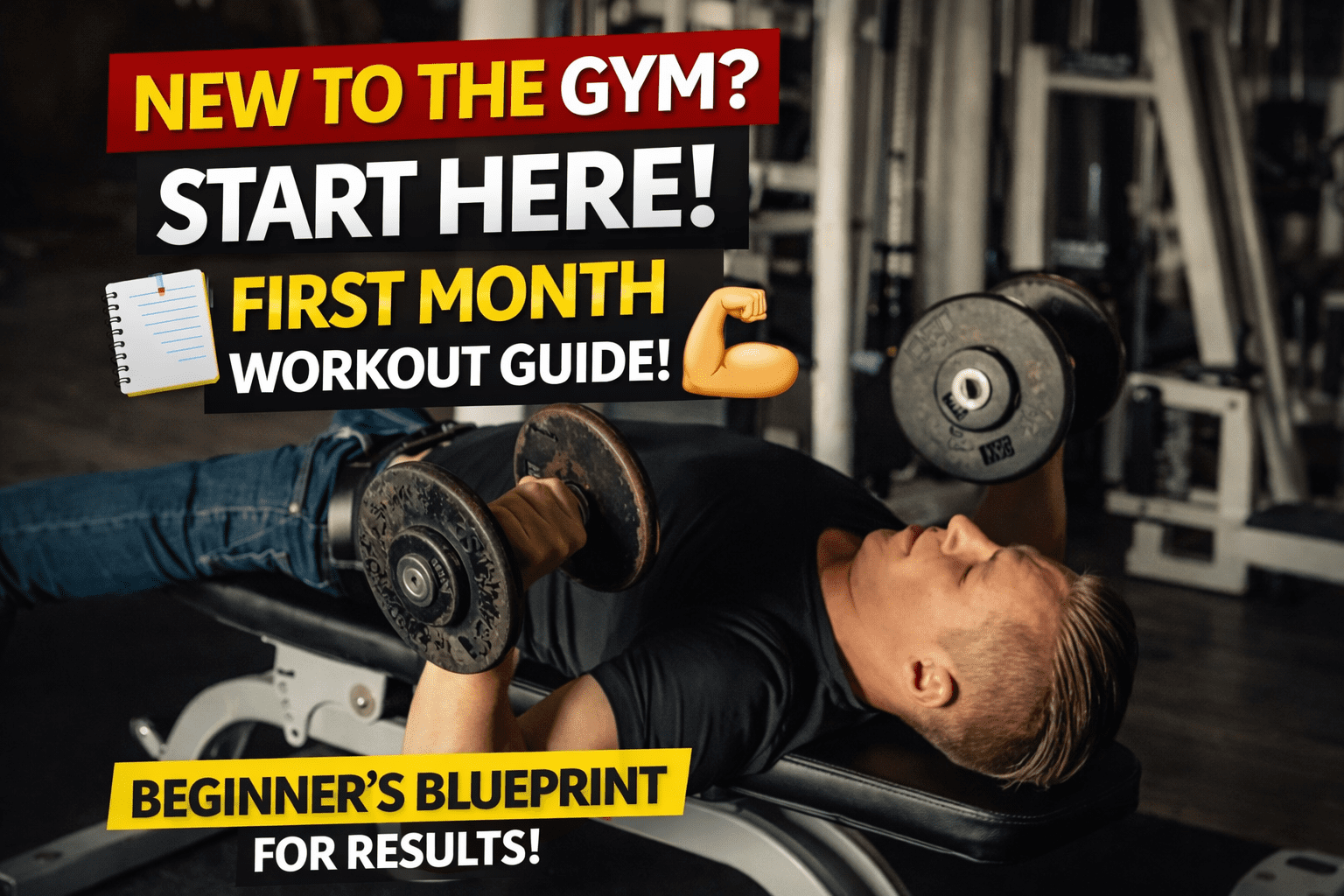
Starting the gym for the first time can feel confusing and overwhelming. Many beginners walk into the gym full of motivation, but within a few weeks, they feel lost, sore, or disappointed with results. This usually happens because they don’t know what to do in the first month of gym.
The first month is the most important phase of your fitness journey. What you do during this time decides whether you will see progress or quit early. This guide will help you understand exactly what to do, what to avoid, and how to build the right foundation for long-term fitness success.
This article is written especially for beginners who want clear, simple, and practical guidance.
Why the First Month of Gym Is So Important
The first month is not about lifting heavy weights or getting a perfect body. It is about building habits, learning form, and preparing your body.
During the first month:
- Your muscles adapt to training
- Your joints get stronger
- Your nervous system learns movements
- Your confidence increases
Rushing this phase often leads to injuries or burnout. A smart start leads to long-term results.
What to Expect in the First Month of Gym
Many beginners expect visible muscle or fat loss within a few days. This is unrealistic.
Here is what usually happens in the first month of gym workout:
- Mild muscle soreness (normal and temporary)
- Increased energy levels
- Slight strength improvement
- Better sleep quality
- Improved mood and confidence
Visible body changes usually start after 4–6 weeks with consistency.
Week 1: Focus on Learning, Not Lifting Heavy
The first week should be about understanding your body and gym environment.
What to Do in Week 1
- Learn correct exercise form
- Use light weights
- Focus on full body movements
- Warm up properly before workouts
Do not compare yourself to others. Everyone starts somewhere.
Beginner Gym Workout Plan (First Month)
A simple beginner gym routine works best.
Workout Frequency
- 3–4 days per week
- Rest days are important
Sample Weekly Gym Schedule
Day 1 – Full Body
- Bodyweight squats
- Push-ups or chest press
- Lat pulldown
- Dumbbell shoulder press
- Plank
Day 2 – Rest or Light Cardio
Day 3 – Full Body
- Leg press
- Dumbbell rows
- Chest machine
- Lateral raises
- Crunches
Day 4 – Rest
Day 5 – Repeat Full Body
This approach helps your body adapt safely.
Why Full Body Workouts Are Best for Beginners
During the first month, full body workouts are more effective than split routines.
Benefits:
- Better muscle recovery
- Improved coordination
- Balanced strength development
- Less injury risk
This is why most trainers recommend full body training in the first month of gym.
How Much Weight Should You Lift?
A common beginner mistake is lifting too heavy too soon.
Rule of thumb:
- Choose a weight you can lift 12–15 reps with good form
- If form breaks, weight is too heavy
Good form builds muscle faster than heavy weights.
Importance of Warm-Up and Cool Down
Skipping warm-up is a major mistake.
Proper Warm-Up (5–10 Minutes)
- Light cardio
- Dynamic stretching
- Joint mobility
Cool Down
- Stretching
- Deep breathing
This reduces soreness and improves recovery.
Nutrition Tips for the First Month of Gym
You don’t need extreme diets.
Simple Nutrition Rules
- Eat enough protein
- Drink plenty of water
- Eat whole foods
- Avoid junk food regularly
Good nutrition supports recovery and energy.
How Much Protein Do Beginners Need?
Protein helps muscles recover and grow.
General guideline:
- 0.6–0.8 grams per pound of body weight
Food sources:
- Eggs
- Chicken
- Fish
- Lentils
- Dairy
Supplements are optional, not mandatory.
Common Mistakes Beginners Make in the First Month
Avoid these mistakes to get better results:
- Training every day without rest
- Copying advanced gym routines
- Ignoring form
- Expecting fast results
- Skipping leg workouts
Avoiding these mistakes keeps you consistent.

What to Do in the First Month of Gym: Complete Beginner Guide for Best Results
Cardio in the First Month: Yes or No?
Yes, but keep it balanced.
Best cardio options:
- Walking
- Cycling
- Light treadmill jogging
Cardio improves heart health and recovery.
How Long Should Gym Sessions Be?
For beginners:
- 45–60 minutes is enough
Long workouts don’t mean better workouts.
Quality matters more than quantity.
Mental Challenges in the First Month of Gym
Feeling awkward or unmotivated is normal.
Tips to stay motivated:
- Track progress
- Focus on learning
- Set small goals
- Be patient
Confidence grows with consistency.
How to Track Progress Properly
Don’t rely only on weight scale.
Better progress indicators:
- Strength increase
- Better stamina
- Improved posture
- Energy levels
Progress shows in many ways.
Rest and Recovery Are Part of Training
Muscles grow when you rest.
Sleep:
- 7–8 hours daily
Rest days prevent injuries and burnout.
Should You Take Supplements in the First Month?
Not necessary.
Focus on:
- Food
- Sleep
- Consistency
Supplements come later if needed.
What Results Can You Expect After One Month?
With proper routine and diet:
- Improved strength
- Better muscle tone
- Increased confidence
- Healthier habits
Major body transformation takes time.
Why Many People Quit After One Month
Common reasons:
- Unrealistic expectations
- Overtraining
- Poor guidance
This guide helps you avoid quitting.
Final Tips for First Month Gym Success
- Start slow
- Stay consistent
- Learn proper form
- Eat well
- Rest properly
Fitness is a long-term journey.
Common Mistakes to Avoid in Your First Month of Gym
Many beginners fail to see results not because the gym doesn’t work, but because of small mistakes made during the first month.
Mistake 1: Training Too Hard Too Soon
In the first month of gym, your body is adapting. Lifting heavy weights without proper form increases injury risk.
Mistake 2: Copying Advanced Gym Routines
What works for experienced lifters may not work for beginners. Focus on basics first.
Mistake 3: Ignoring Rest Days
Muscles grow during rest, not during workouts. Overtraining slows progress.
Mistake 4: Skipping Warm-Up and Cool Down
This leads to muscle stiffness and injuries, especially in the first few weeks.
Avoiding these mistakes makes your first month of gym safer and more productive.
How Much Weight Should You Lift in the First Month of Gym?
This is one of the most searched questions related to what to do first month of gym.
The correct answer is: start light.
Choose a weight that allows you to:
- Complete all reps
- Maintain perfect form
- Feel muscle activation, not pain
Increase weight gradually as your strength improves.
First Month Gym Cardio: How Much Is Enough?
Cardio helps improve stamina and heart health, but too much can affect muscle recovery.
Recommended Cardio for Beginners
- 10–15 minutes after workout
- 2–3 days per week
- Brisk walking, cycling, or treadmill
Balance is the key during your first month of gym.
Beginner Gym Nutrition Tips (Simple & Effective)
You don’t need complex meal plans in the first month.
Focus on These Basics
- Eat enough protein daily
- Include complex carbs for energy
- Drink plenty of water
- Avoid excessive junk food
Good nutrition supports recovery and strength gains.
How to Handle Muscle Soreness in the First Month
Muscle soreness is common when starting gym training. This is known as delayed onset muscle soreness (DOMS).
How to Reduce Soreness
- Stretch after workouts
- Stay hydrated
- Get enough sleep
- Avoid skipping workouts completely
Soreness will reduce as your body adapts.

Mental Challenges in the First Month of Gym
The gym is not only a physical challenge but also a mental one.
Common Mental Struggles
- Lack of confidence
- Comparing yourself to others
- Fear of judgment
Remember, everyone in the gym started as a beginner.
Consistency beats confidence.
How to Stay Motivated During the First Month of Gym
Motivation fluctuates, discipline stays.
Proven Motivation Tips
- Set small weekly goals
- Track workouts
- Celebrate progress
- Focus on consistency, not perfection
The first month builds the habit that lasts long-term.
First Month Gym Results: What to Expect Realistically
Many beginners expect drastic changes too quickly.
Realistic Results Timeline
- Week 1–2: Increased energy
- Week 3: Strength improvements
- Week 4: Visible posture and tone changes
The first month is about building foundation, not perfection.
Sample Weekly Gym Schedule for First Month
Here’s a simple beginner-friendly routine:
- Monday: Full body workout
- Tuesday: Light cardio
- Wednesday: Full body workout
- Thursday: Rest
- Friday: Full body workout
- Weekend: Active recovery
This schedule supports recovery and consistency.
Why the First Month of Gym Is the Most Important
Habits formed in the first month decide long-term success.
This is the phase where:
- Your body adapts
- Your mindset changes
- Your discipline develops
Mastering the basics now prevents burnout later.
How Long Should Gym Sessions Be in the First Month?
Long workouts are not necessary.
Ideal Workout Duration
- 45–60 minutes
- Focus on quality, not quantity
- Keep rest periods controlled
Short, focused sessions work best for beginners.
Signs You’re Doing the First Month of Gym Correctly
Look for these positive indicators:
- Improved energy levels
- Better sleep
- Increased strength
- Reduced soreness over time
These signs mean your routine is working.
When to Increase Workout Intensity?
Only increase intensity when:
- Form is perfect
- Recovery feels manageable
- Exercises feel easy
Progress gradually to avoid injuries.
Final Advice for First Month Gym Beginners
Don’t rush results. The gym is a long-term journey.
The goal of the first month is to:
- Learn proper form
- Build consistency
- Develop discipline
Everything else follows naturally.
Final Conclusion
Knowing what to do first month of gym can save you months of confusion and frustration.
Focus on:
- Basic workouts
- Proper form
- Balanced nutrition
- Adequate rest
- Consistency
Your first month sets the foundation for your entire fitness journey.
Stay patient. Stay consistent. Results will come.